Nobody Home: The Rise of the Carefully Built Profile That Was Never Meant to Be Found
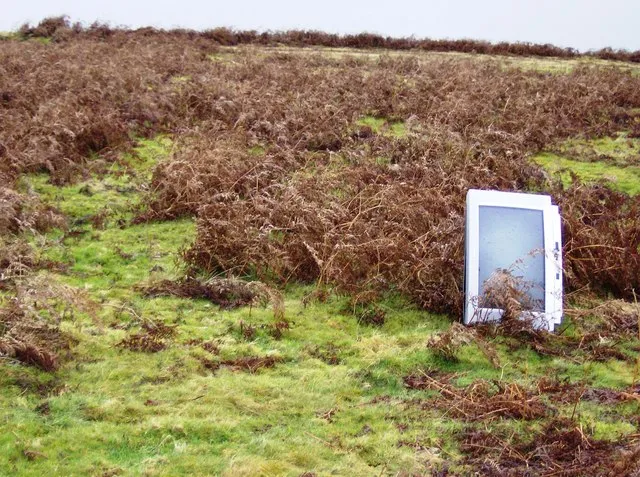
Photo: Graham Horn, CC BY-SA 2.0, via Wikimedia Commons
Open any platform and you'll find them if you look hard enough. Accounts with three years of archived posts, a consistent visual palette, a bio that reads like a person with a whole life — and a last active date that stops abruptly. No explanation. No goodbye post. Just a door left slightly ajar into someone who might never have existed in the first place.
These are the phantom accounts. And increasingly, they're not accidents.
Building a Person No One Asked For
The phenomenon doesn't have a clean name yet, which is part of what makes it interesting. Call it ghost-building, persona-crafting, or just elaborate digital performance art — the behavior is the same across platforms. Someone creates a profile, populates it with a believable history, develops an aesthetic voice, maybe even follows accounts that fit the fictional person they're constructing. Then they walk away. Or they were never really there to begin with.
This isn't catfishing in the traditional sense. There's no target, no manipulation, no endgame social con. The account isn't designed to deceive a specific person — it's designed to exist. To be a thing that could be stumbled upon. A thread pulled from the veil of the internet that leads, if you follow it far enough, to nothing at all.
In niche corners of Reddit and certain private Discord rooms, people openly discuss their phantom accounts. The language they use is telling: they talk about "worldbuilding," about "planting" an identity, about the satisfaction of knowing something fully realized is out there, untouched. One user in a thread that's since been archived described it as "writing a character and then releasing them into the wild instead of onto a page."
Exhaustion as a Design Choice
To understand why this is happening, you have to understand what authentic online presence has become for a lot of people — particularly those in their twenties who grew up watching the internet turn from a playground into a performance stage.
Posting authentically online in 2025 means managing metrics, navigating algorithmic consequences, absorbing public feedback in real time, and building something that feels less like expression and more like a brand. The pressure is relentless, and it doesn't really matter what platform you're on. Even the "low-pressure" apps eventually develop their own hierarchies of visibility and approval.
Phantom accounts sidestep all of that entirely. When you build a persona you never intend to activate, there's no audience to disappoint. No comment section to dread. No slow humiliation of a post that doesn't land. The identity exists in a state of permanent potential — always about to be something, never actually tested.
That's not escapism in the usual sense. It's more like building a house you never plan to live in, just to prove you could draw the blueprints.
The Craft of It
What's genuinely surprising is how seriously people approach this. These aren't throwaway accounts made in ten minutes. Some phantom profiles take months to develop. Users research aesthetic coherence, study how real people in their invented persona's "niche" actually post, and deliberately seed the account with content that creates the illusion of a lived timeline.
There are accounts built around fictional amateur photographers living in the Pacific Northwest. Accounts for invented vintage collectors in Chicago. Personas for people who seem to be deeply embedded in the cottagecore community or the underground music scene in some unnamed mid-sized American city. The details are specific enough to be believable. The care is obvious.
Some people build multiple phantoms — each one a different facet of an identity they've never committed to publicly. A version of themselves that reads literary fiction and goes to gallery openings. Another that's into extreme sports and posts blurry action shots. The phantom accounts become a kind of identity closet: full of selves that fit, tried on privately, never worn out.
What We Leave Behind, Intentionally
There's a philosophical dimension here that's hard to ignore. The internet has always been obsessed with permanence — with the idea that everything you post becomes part of a permanent record. That's mostly framed as a threat, a reason to be careful, a warning about what future employers might find.
Phantom account builders have flipped that logic entirely. They're using permanence as the point. The record is the artifact. The account doesn't need to do anything because its existence is already the statement.
In a weird way, it's one of the more honest things happening online right now. The phantom account doesn't perform engagement it doesn't feel. It doesn't optimize for reach. It just sits there, fully formed, asking nothing from anyone — which is more than can be said for most of what gets posted every day.
The Signal This Sends
If you want to read the cultural temperature of a generation, pay attention to what they do when no one's watching. Phantom accounts are what happens when people who grew up online decide they want the idea of an online identity without the cost of maintaining one.
That's not nihilism. It might actually be the opposite — a refusal to let the platform define what identity means. A way of saying: I know how this works, I can play the game perfectly, and I'm choosing not to.
Somewhere out there, a carefully constructed person is waiting in a dormant profile. The aesthetic is cohesive. The bio is just vague enough to be intriguing. The last post was six months ago and it got four likes.
Nobody's home. That was always the whole point.