The Quietest Room in the Building Is Full

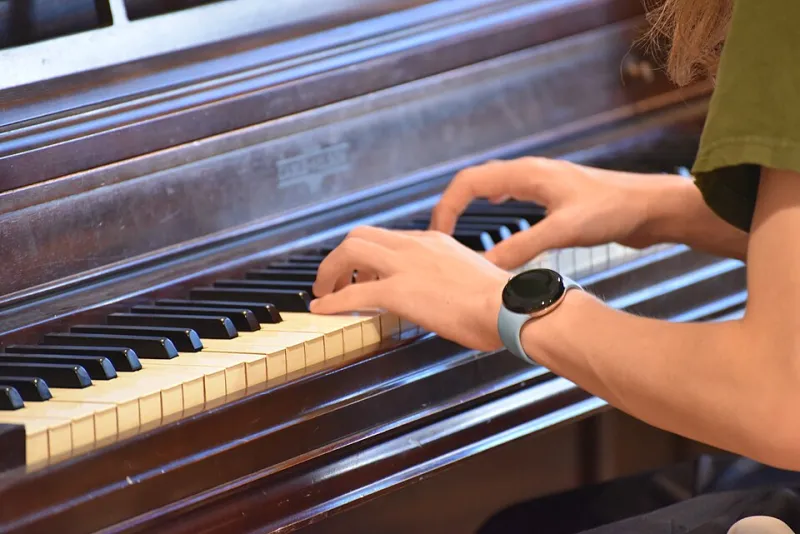
Photo: Tyler Moss, Public domain, via Wikimedia Commons
Every admin knows the number. It is the member count in the sidebar, the follower total, the server size. It is also mostly fiction. In a forum with 8,000 registered accounts, maybe 300 people post. In a Discord with 2,000 members, maybe 60 type in a given week. The rest watch. They lurk. They are the quietest room in the building, and the room is full.
In 2026, admins are getting more serious about counting them. Not because lurkers are a mystery to be solved. Because they are an audience with their own etiquette, and ignoring them changes what a community believes about itself.
The 1% rule is a guess
The old internet rule said 1% of people create, 9% comment, and 90% lurk. It was always more of a vibe than a law. The numbers shift by platform, topic, and mood. A niche forum about mechanical keyboards might have a higher posting rate than a general chat server. A support group might have more readers than talkers. A group chat with 12 people might have 12 lurkers and 2 talkers, depending on the day.
The point is not the exact ratio. The point is that the visible activity is not the whole community. Admins who only count posts end up designing for the loudest people. They add features for the posters. They write rules for the rule-breakers. They forget the people who show up every day and say nothing.
What the dashboard cannot see
Analytics can tell an admin how many people opened a thread. It cannot tell them why. A lurker might be reading for comfort. They might be learning. They might be waiting for a reason to speak. They might be checking whether the place is safe.
In 2026, the tools are better and more invasive. Server analytics show unique viewers. Polls ask who is reading. Some communities run anonymous surveys. Others use emoji reactions as a low-stakes way to count presence. But every tool has a cost. The more you measure lurkers, the more you ask them to become visible. Some of them joined because they did not want to be counted.
Lurker etiquette
Lurkers have norms, even if they never post them. Read the pinned rules. Wait before asking a question that has been answered. Do not slide into DMs just because you saw a name. Do not treat a public archive as a personal search engine. Do not announce that you have been lurking for three years unless you are ready for the attention.
There is also a hierarchy of lurking. The person who reads every thread but never posts is different from the person who checks in once a month. The person who saves links is different from the person who screenshots. The person who leaves a reaction is technically visible, but barely. These are not empty seats. They are seats with people in them, practicing a low-volume kind of belonging.
The census that nobody fills out
When admins try to count lurkers, they run into a paradox. The people most likely to answer a census are the people most likely to be active. The quiet ones stay quiet. A poll that asks who is reading will get responses from the people who want to be seen responding.
So admins guess. They look at page views. They compare the number of people in a voice channel to the number of people who type. They notice when a thread gets 2,000 views and 12 replies. They learn to read the silence.
Counting as care
The best version of this is not surveillance. It is hospitality. If you know that most of your community is reading and not posting, you can make the room easier to enter. You can write clearer rules. You can pin an introduction thread. You can stop treating the first post as a loyalty test.
The worst version is a numbers game. Admins chase engagement because engagement looks like health. They add prompts. They add bots. They add a weekly check-in that makes the lurkers feel like they are failing a class. The room gets louder, and the quiet people leave.
A community is not a broadcast. It is a room with different kinds of attention. The people who talk are part of it. The people who listen are part of it. The census will never be perfect. But asking the question is a way of admitting that the quietest room in the building is full.