Still Subscribed: The Strange Grief of Watching a Feed Go Quiet
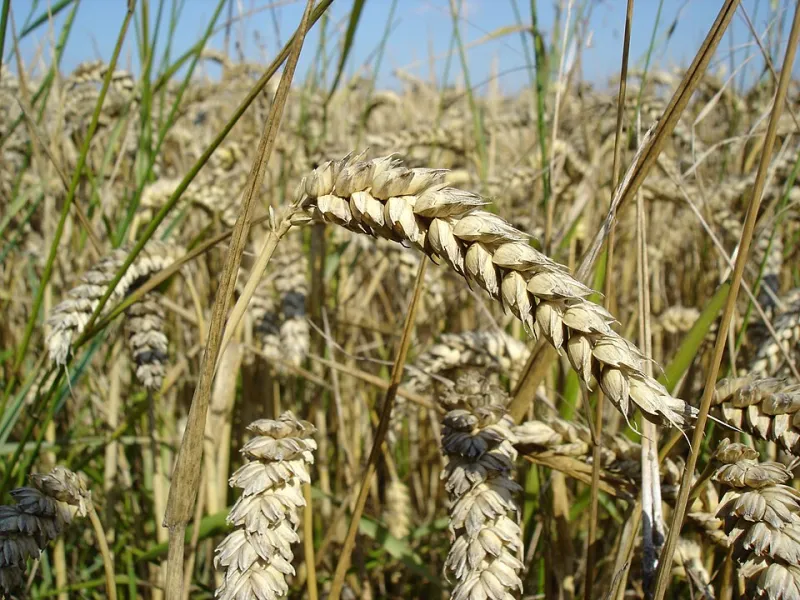
Photo: Acabashi, CC BY-SA 4.0, via Wikimedia Commons
It starts so gradually you almost don't notice. The posts go from daily to every few days. Then weekly. Then there's a month-long gap that feels significant but might just be life stuff. Then another month. Then you realize you haven't seen anything from them in almost a year, and the last post — a casual, unremarkable photo of a coffee cup or a half-finished sentence about a show they were watching — is still just sitting there, frozen, like a clock someone forgot to wind.
They didn't leave. They just stopped arriving.
This specific experience — following someone's feed as it slowly goes dormant — doesn't have a clean cultural script. There's no notification, no goodbye post, no formal ending. Just a gradual fading that you notice only in retrospect, and a low-grade unease that's hard to explain to anyone who wasn't also following the same account.
The Relationship That Was Never Mutual
Parasocial relationships get talked about mostly in the context of celebrities and influencers — the kind of one-sided attachments that come with millions of followers and parasocial discourse about whether parasocial discourse is healthy. But the version that lives in the quieter corners of the internet is different. It's more intimate, somehow, precisely because the accounts are smaller.
We're talking about the person with three thousand followers who posted beautifully curated thrift-store finds every Tuesday. The guy who made extremely specific commentary about obscure 90s cartoons. The woman who documented her slow renovation of a house in rural Ohio with the kind of casual honesty that felt like reading someone's diary. None of them were famous. All of them felt, to their regular followers, like someone they knew.
That knowing is the thing worth examining. It's constructed almost entirely from one-directional information — posts, captions, the aesthetic choices that add up to something that reads like personality. You never had a conversation. They don't know your name. And yet the relationship has a texture that's genuinely hard to dismiss as not-real, because it wasn't not-real. It was just asymmetric.
When the Signal Fades
The silence hits differently depending on how it arrives. A sudden stop — one day active, the next day nothing, for months — carries a specific kind of anxiety. You wonder if something happened. You check the account every few weeks not because you expect a post but because you're looking for some sign that they're okay, which is a strange thing to be looking for from someone you've never spoken to.
The slow fade is its own thing entirely. It gives you just enough to keep hoping. A post after a long silence reads like a text back — relief mixed with the awareness that you were more invested in the silence than they probably were. And when the silence resumes and extends into permanence, there's a particular flavor of disappointment that's hard to articulate without sounding unhinged.
Because here's the thing: you're not supposed to be this affected by it. That's the unspoken contract of parasocial relationships. You consume, they create, nobody owes anyone anything. But the emotional reality doesn't always honor the contract.
The Archaeology of the Last Post
There's a specific behavior that dormant accounts seem to produce: the compulsive re-reading of the last post, searching it for clues. Did they seem different? Was there something in the caption that indicated they were about to step back? Was it always going to end here, and you just didn't see it?
This is, rationally speaking, not a useful activity. The last post is almost never a meaningful final statement. It's usually just the last thing they happened to post before life rerouted them somewhere the feed couldn't follow. But the human brain, which is very bad at accepting arbitrary endings, tries to make it mean something anyway.
The same impulse drives people to check dormant accounts on milestone dates — the anniversary of a creator's first post, their birthday if it was ever mentioned, the anniversary of whatever event they used to document annually. The account doesn't change. But the checking feels like a kind of acknowledgment, a small ritual that keeps the relationship from fully dissolving.
Intimacy Preserved in Amber
What's aesthetically interesting about dormant accounts — and there is something aesthetically interesting here, even if it's uncomfortable — is that they create a kind of frozen intimacy. The feed becomes an archive. The posts that felt casual and present when they were uploaded now feel like artifacts. The whole account takes on a different quality, more still-life than diary.
Some followers find this comforting, actually. The content doesn't change, which means the version of the person they connected with stays exactly as they remember them. There's no risk of the account pivoting to something alienating, no rebrand, no posts that make you rethink your investment. The dormant account is, in a weird way, the most stable version of an online presence.
But stability and presence aren't the same thing. And the absence of new content eventually starts to feel less like preservation and more like haunting.
What We're Really Looking For
The compulsive checking, the re-reading of old posts, the mild but persistent anxiety about whether someone you've never met is okay — all of it points to something that parasocial relationship discourse doesn't always account for: the internet taught us to maintain emotional connections through feeds, and it never built in a way to formally end them.
Friendships have natural endings — people drift, move, change. Romantic relationships have breakups, or at least the social architecture for breakups. But the relationship between a follower and a creator who went quiet? It just... continues, in a suspended state, indefinitely. The account stays in your following list. The old posts stay up. The connection persists in the technical sense while the thing that animated it is completely gone.
We're not great at sitting with that kind of ambiguity. So we check. We wait. We read the last post one more time, looking for something that isn't there.
Maybe what we're really looking for is permission to let it go. A final post that says I'm done here, it was good, take care of yourselves. Something that closes the loop.
Most of the time, we don't get it. The feed just stays quiet, and we stay subscribed, and the light in that room stays on for reasons neither of us could fully explain.